Eyelets and Grommets
Eyelets and grommets are fastening and reinforcement accessories used in tarpaulins, awnings, tents, curtains, bags, shoes, leather goods, garments, belts, labels, home textiles, craft products and technical textile applications. They are installed around a prepared hole to make the opening cleaner, stronger and more suitable for repeated use.
An eyelet is not only a decorative metal ring. When selected with the correct size and installed with the correct setting die, it organizes the passage for cords, ropes, laces, drawstrings, straps, screws or fastening components. This makes eyelets essential for many industries, from bag manufacturing and footwear production to tarpaulin workshops, curtain producers and technical textile applications.
What Are Eyelets?
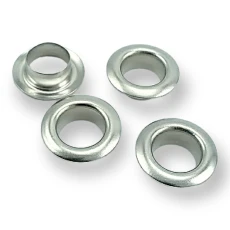
An eyelet is a metal or plastic capsule component installed around a prepared hole in fabric, leather, synthetic leather, cardboard, tarpaulin, tent fabric, awning fabric, curtain material, shoe uppers, bags and similar surfaces. It reinforces the hole edge, supports the passage point and gives the finished product a cleaner appearance.
In the industry, the terms eyelet, grommet, ring and capsule may sometimes be used interchangeably. However, when buying eyelets, the product name is not enough. The correct choice depends on the eyelet size, material, shape, washer structure, application surface and compatible setting die.
What Are Eyelets Used For?
Eyelets are used to protect the edge of a hole, organize the passage for cords or fastening components and create a clean finished look on the product surface. They can be used as fastening points on tarpaulins and tents, lace holes on shoes, cord passages on bags, hanging holes on curtains, string holes on labels and decorative metal trims on garments or leather goods.
- They reinforce the hole edge: Eyelets help protect the opening in fabric, leather, cardboard, tarpaulin or technical textile surfaces.
- They create a controlled passage: They provide a clean opening for cords, ropes, laces, elastic, straps, screws or other fastening components.
- They improve the final appearance: They give the hole edge a finished metal or plastic trim look.
- They create functional fastening points: They can be used in tarpaulins, tents, awnings, curtains, banners and technical textiles for hanging or fixing points.
- They add decorative detail: They can be used as visible trim on bags, shoes, leather goods, garments and craft products.
Where Are Eyelets and Grommets Used?
The usage area of an eyelet depends on its material, size, shape and installation method. Small eyelets are commonly used for labels, garments, shoes, crafts and small bags. Medium sizes are used for bags, curtains, leather goods, outerwear and tarpaulins. Larger grommets are used for tents, awnings, truck covers, banners and technical textile surfaces.
- Tarpaulins, awnings and tents: Used for ropes, tensioning cords, hooks, hanging points and fixing areas. For outdoor use, material and finish selection are especially important.
- Curtains and home textiles: Used for curtain hanging holes, decorative curtain systems, cushions, home accessories and thick fabric panels.
- Bags and leather goods: Used for cord passages, strap areas, decorative holes and reinforced connection points.
- Shoes and boots: Used to make lace holes cleaner, stronger and more professional on leather, synthetic leather and canvas footwear.
- Garments and outerwear: Used on jackets, hoodies, sweatpants, sweatshirts, workwear, parkas, shirts and decorative textile products.
- Labels, cardboard and packaging: Used on hang tags, price tags, promotional cards, folders, files and packaging products.
- Craft and DIY projects: Used on notebooks, scrapbooks, decorative cards, organizers, costumes, stage accessories and small workshop products.
- Technical and industrial applications: Used on banners, vinyl prints, advertising tarpaulins, automotive textiles, protective covers and outdoor textile products.
Key Factors When Choosing Eyelets
Choosing the right eyelet requires more than selecting a colour or an eyelet number. The application surface, the component passing through the hole, expected durability, hole size and compatible setting tool should all be considered together.
| Selection Factor | Why It Matters | Buying Tip |
|---|
| Inner Diameter | Defines the usable opening for cord, lace, rope, strap or fastening component. | Select it according to the thickness of the component passing through the eyelet. |
| Outer Diameter | Defines how much visible metal or plastic trim will appear on the surface. | Important for decorative appearance and surface coverage. |
| Height / Barrel Length | Affects how well the eyelet closes on the application surface. | Short barrel eyelets can suit thinner surfaces; long barrel eyelets can suit thicker or multilayer materials. |
| Material | Affects durability, finish quality, outdoor suitability and cost. | Brass, stainless steel, steel, plastic, zamak, aluminum and galvanized options should be selected according to the application. |
| Material Thickness | Determines whether the eyelet can close properly and hold the surface. | Fabric, leather, cardboard, tarpaulin and multilayer surfaces may require different barrel heights. |
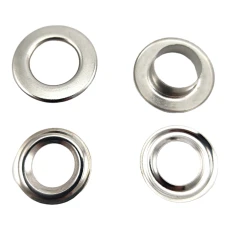
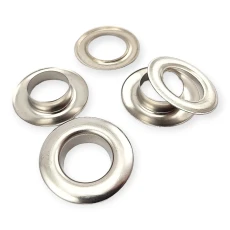
| Washer Structure | Helps support the surface after installation. | Washer-supported or washer-free products should be selected according to the surface. |
| Setting Die Compatibility | Ensures the eyelet is installed correctly without damaging its form. | Each size and shape should be matched with a compatible eyelet setting die. |
What Do Eyelet Numbers Mean?
Eyelet numbers are used to identify size groups, but an eyelet number does not always equal the exact inner diameter or outer diameter. Material, production type, eyelet shape and washer structure may change the actual dimensions. For example, the same number can have different measurements in domed, flat, stainless steel, brass or special form eyelets.
The safest approach is to check the product page for inner diameter, outer diameter, height, barrel length, washer information and compatible die details. For production use, a sample application before bulk use can help prevent installation problems.
How to Choose Eyelet Size
Small eyelets are generally used for garments, labels, shoes, crafts and small bags. Medium eyelets can be used for bags, curtains, leather goods, outerwear and tarpaulins. Large grommets are more suitable for tarpaulins, truck covers, awnings, tents, banners and technical textiles.
| Size Group | General Inner Diameter Class | Suitable Application | Selection Tip |
|---|
| No 17 | Approx. 3.5 mm / 0.14 in class | Labels, crafts, accessories, light textiles | Useful for small and delicate hole finishes. |
| No 2 - No 3 | Approx. 4.5 - 5.3 mm / 0.18 - 0.21 in class | Bags, shoes, labels, textiles, crafts | Suitable for small cords, laces and tag strings. |
| No 4 - No 5 | Approx. 6 - 8 mm / 0.24 - 0.31 in class | Bags, shoes, belts, leather goods, outerwear | Useful for small-to-medium cord and lace passages. |
| No 24 - No 26 | Approx. 9 - 12 mm / 0.35 - 0.47 in class | Tarpaulins, curtains, tents, bags, outerwear | Good for medium cord, rope and fixing passages. |
| No 28 - No 31 | Approx. 13 - 17 mm / 0.51 - 0.67 in class | Tarpaulins, awnings, tents, curtains, technical textiles | Useful for wider openings and stronger fastening points. |
| No 34 - No 40 - No 66 | Large inner diameter class | Truck covers, large banners, tents, heavy-duty applications | Suitable for wide ropes, heavy fixing points and visible large grommets. |
Important note: Eyelet numbers may not represent the exact same dimensions across all materials and shapes. Always check the current product dimensions and compatible die information before purchasing.
Eyelet Types by Material
Eyelet material affects durability, finish quality, outdoor suitability, appearance and cost. The best material for a tarpaulin may not be the same as the best material for a label, bag or leather product.
- Brass eyelets: Preferred for quality finish appearance, good formability and wide use in textiles, bags, shoes, leather goods, tarpaulins, curtains and accessories.
- Stainless steel eyelets: Suitable for moisture, washing, outdoor use, marine applications, outdoor textiles and long-service applications.
- Steel eyelets: A cost-effective option for labels, packaging, cardboard, light textiles and budget-sensitive applications.
- Plastic eyelets: Useful when a lightweight, coloured or non-metal alternative is required.
- Zamak eyelets: Suitable for decorative forms, special designs and visible metal details on bags, shoes, belts and outerwear.
- Aluminum eyelets: Lightweight metal option for banners, vinyl prints, tarpaulins, tents and awnings.
- Galvanized eyelets: Suitable for large tarpaulins, truck covers, banners, tents and outdoor applications.
Eyelet Types by Shape
Eyelets are also classified by surface form and application purpose. Flat, domed, oval, contoured, mesh, short barrel and long barrel eyelets can affect both the appearance and installation result.
| Eyelet Shape | When to Choose It | Typical Application |
|---|
| Flat Eyelets | When a cleaner and lower-profile metal finish is preferred | Tarpaulins, curtains, bags, shoes, leather goods, textiles |
| Domed Eyelets | When a rounded and more visible metal surface is preferred | Bags, shoes, garments, accessories, leather goods |
| Oval Eyelets | When an elongated rather than round opening is required | Bags, belts, shoes, outerwear, decorative textiles |
| Contoured Eyelets | When a more defined rim and professional visible trim are required | Tarpaulins, tents, curtains, bags, leather goods, technical textiles |
| Mesh Eyelets | When airflow, ventilation or a screened decorative opening is required | Caps, shoes, jackets, sportswear, bags, leather goods |
| Long Barrel Eyelets | When the application surface is thick, layered, leather or cardboard | Bags, shoes, leather, cardboard, labels, crafts |
| Short Barrel Eyelets | When the surface is thin or standard thickness | Labels, thin fabrics, small bags, shoes, accessories |
| Double-Sided Eyelets | When both sides of the product should look clean | Bags, leather goods, accessories, visible textile surfaces |
| Narrow Rim Eyelets | When a thinner rim and more controlled visible metal area are needed | Bags, shoes, leather goods, accessories |
| Coin Type Eyelets | When a wider decorative metal surface is preferred | Bags, garments, accessories, leather goods, decorative textiles |
Which Eyelet Is Best for Each Application?
The best way to choose an eyelet is to start with the application area, then select the size and material. The table below provides a practical buying guide.
| Application Area | Recommended Eyelet Group | Why? |
|---|
| Tarpaulins, awnings, tents | Brass, aluminum, galvanized, stainless steel, contoured or flat grommets | Large surfaces require fixing points, cord passages and outdoor durability. |
| Truck covers and heavy-duty use | Large galvanized, brass, stainless steel or contoured grommets | Strong fastening, wide openings and durable installation are required. |
| Bags and leather goods | Brass, zamak, oval, domed, contoured or double-sided eyelets | Both functional cord/strap passages and decorative metal appearance matter. |
| Shoes and boots | Brass, steel, mesh, domed, short barrel or long barrel eyelets | They support lace holes, ventilation points and durable surface finishing. |
| Leather products | Brass, zamak, oval, long barrel or double-sided eyelets | Leather thickness and visible trim appearance are key selection factors. |
| Labels, cardboard, packaging | Steel, brass, short barrel or long barrel eyelets | They organize the hole edge and create a clean string or hanging passage. |
| Caps, sportswear, jackets | Mesh, brass, domed or small-size eyelets | They can provide ventilation, cord passage and decorative trim. |
Eyelet Colours and Finish Options
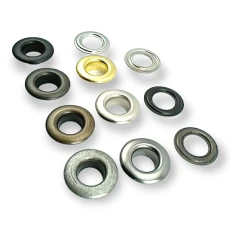
Eyelet colour should match the overall accessory language of the product. On bags, shoes, leather goods and outerwear, eyelets are often coordinated with zippers, snaps, buckles, rivets and other metal trims. In tarpaulin, awning and technical textile applications, outdoor conditions should also be considered.
Metallic Finish Colours
- Gold finish eyelets
- Nickel / silver-look eyelets
- Black nickel / gunmetal eyelets
- Black oxide eyelets
- Antique brass eyelets
- Copper finish eyelets
- Tin and antique silver finish eyelets
- Copper oxide and special oxide finishes
Painted and Custom Surface Eyelets
Painted eyelets can be selected when a specific colour match is needed in the product design. Special colour work according to Pantone TCX references, matte, glossy, soft, wiped, spray, flow paint and electrostatic paint surface options can be evaluated. For special production or wholesale orders, colour continuity and repeat production should be planned in advance.
How Are Eyelets Installed?
Eyelet installation starts by preparing a hole in the correct diameter for the eyelet body. The eyelet is then placed into the hole, supported with a washer if required and pressed with a compatible setting die. Installation can be done with hand striking tools, hand presses, impact presses, electric machines or pneumatic machines depending on production needs.
If the hole is too small, the eyelet may not sit properly on the surface. If the hole is too large, the eyelet may not grip the material correctly. For this reason, eyelet size, punching die and setting die should be evaluated as a complete system.
For compatible molds and dies, check the grommet dies and setting tools category. For hole preparation, grommet punching dies can be evaluated. For a broader product comparison, visit the eyelets and grommets category.
What Is the Difference Between Eyelets, Grommets and Rings?
The terms eyelet, grommet and ring can sometimes be used for similar products. However, product structure, application surface and installation method may differ. Eyelets are commonly used in textiles, bags, shoes, leather goods, labels, crafts and decorative products. Grommets or rings are often mentioned in tarpaulins, curtains, awnings, banners and stronger fastening applications.
In practice, the safest approach is to check dimensions and compatibility rather than relying only on the name. Inner diameter, outer diameter, height, material, washer structure, material thickness and compatible setting die should be checked together.
Wholesale and Retail Eyelets
At E-Buttons, eyelets and grommets can be purchased for both wholesale and retail needs. Retail packs can be useful for small repair, craft, label and workshop applications. Wholesale eyelet purchasing is more practical for garment production, bag manufacturing, footwear, leather goods, tarpaulin work, curtain production, tent manufacturing and technical textile projects.
For wholesale orders, size consistency, finish continuity, batch repeatability, washer compatibility, setting die availability and future supply should be considered. For projects where the same eyelet will be used in multiple colours or sizes, sample checking and test installation are recommended before full production.
Eyelet Buying Checklist
- What surface will the eyelet be applied to: fabric, leather, cardboard, tarpaulin, tent fabric, curtain material or bag panel?
- What will pass through the hole: cord, lace, rope, elastic, strap, screw or fastening component?
- Is the material thin, thick or multilayered?
- Are the inner diameter and outer diameter suitable for the application?
- Does the eyelet height or barrel length match the material thickness?
- Is a washer required, included or purchased separately?
- Are the correct punching die and setting die available?
- Does the finish colour match the other metal accessories on the product?
- Will the product be exposed to outdoor use, washing, moisture or marine conditions?
Frequently Asked Questions
What are eyelets?
Eyelets are metal or plastic accessories installed around holes in fabric, leather, cardboard, tarpaulins, tents, curtains, shoes and bags to reinforce the opening and create a clean finish.
What are eyelets used for?
Eyelets protect the hole edge, organize cord, lace, rope or strap passages, create fastening points and give the product a cleaner finished appearance.
How do I choose the right eyelet size?
Eyelet size should be selected according to inner diameter, outer diameter, height, material thickness, the component passing through the hole and compatible setting die.
Does the eyelet number equal the inner diameter?
Not always. Eyelet numbers identify size groups, but the actual inner and outer diameters can vary by material, shape and production type.
Should I choose brass eyelets or steel eyelets?
Brass eyelets are preferred for higher finish quality and durability, while steel eyelets can be used for more economical and lighter applications.
Where are stainless steel eyelets used?
Stainless steel eyelets can be used in moisture, washing, outdoor, marine, tarpaulin, tent and long-service applications.
Which eyelets are suitable for tarpaulins and awnings?
For tarpaulins and awnings, brass, aluminum, galvanized, stainless steel, flat, domed or contoured grommets can be selected according to inner diameter, material thickness and outdoor conditions.
Which eyelets are suitable for bags?
For bags, brass, zamak, oval, domed, contoured, double-sided or narrow rim eyelets can be used depending on cord passage, strap function or decorative design.
Which eyelets are suitable for shoes?
Small and medium brass, steel, domed, mesh, short barrel or long barrel eyelets can be used in shoes. Lace thickness and upper material should guide the choice.
Do I need to punch a hole before installing eyelets?
In most eyelet applications, a properly sized hole must be prepared before installation. The hole size should match the eyelet body and the application surface.
Can every eyelet be installed with the same die?
No. Eyelet size, shape, height and material can vary, so each product should be installed with a compatible setting die.
What is the difference between short barrel and long barrel eyelets?
Long barrel eyelets are more suitable for thicker or multilayer surfaces, while short barrel eyelets can be more suitable for thin or standard-thickness materials.
E-Buttons Eyelets and Grommets Category
In the E-Buttons eyelets and grommets category, buyers can compare brass, stainless steel, plastic, steel, zamak, aluminum, galvanized, oval, domed, flat, contoured, double-sided, narrow rim, coin type, short barrel, long barrel and mesh eyelet models. By matching the correct eyelet with the correct hole preparation, compatible setting die and suitable press equipment, cleaner, stronger and more professional installation results can be achieved.

.jpg-40x40.webp "Magnetic Snaps Buttons")

.jpg-40x40.webp "Prong Snap Fasteners for Baby Clothes")


.jpg-40x40.webp "Curved Snaps Buttons")


.jpg-40x40.webp "Snap Fasteners Half Dome type")
-no5-k0010%20(3).jpg-40x40.webp "Eyetlets")


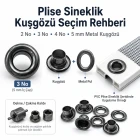
-K0014.png-40x40.webp "Steel Eyelets and Iron Metal Grommets")

.jpg-40x40.webp "Flat Brass Eyelets and Grommets")

.jpg-40x40.webp "Aluminum Eyelets and Grommets")


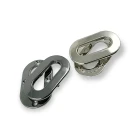
.jpg-40x40.webp "Galvanized Eyelets and Grommets")


.jpg-40x40.webp "Hole Cutter Tools and Punching Dies")

.jpg-40x40.webp "Grommet Punching Dies")


.jpg-40x40.webp "Pearls Types")


.jpg-40x40.webp "Rivets")


.jpg-40x40.webp "Water-Repellent Jacket Zippers")


.jpg-40x40.webp "Tires")

.jpg-40x40.webp "Round Braided Elastic Cord")


.png-40x40.webp "Enameled Buttons")


.jpg-40x40.webp "Carabiner Clips, Snap Hooks and Bag Hooks")


-PhotoRoom.png-40x40.webp "Spring Rings, Key Rings and Snap Clamps")


.png-40x40.webp "Hook and Eye Closures Sew-On")




-K0014.png-140x140.webp "Steel Eyelets and Iron Metal Grommets")

.jpg-140x140.webp "Flat Brass Eyelets and Grommets")

.jpg-140x140.webp "Aluminum Eyelets and Grommets")


.jpg-140x140.webp "Galvanized Eyelets and Grommets")

.webp-230x230.webp "Extra Long Metal Pleated Fly Screen Eyelet 5.3 mm / 0.209 in Inner Diameter KSAC0003SinU")
.webp-230x230.webp "Extra-Long Domed Sheet Metal Eyelet 5.3 mm / 0.209 in with Washer Options MT0003EUS")
.jpg-230x230.webp "No 3 Extra Long Curved Eyelet Brass 5 mm 0.21")
.webp-230x230.webp "Aluminum Eyelet with 9.3 mm / 0.37 in Inner Diameter for Tarpaulin and Outdoor Applications DT00024")
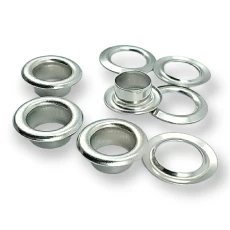
.jpeg-230x230.webp "NO 3 Brass Flat Eyelet 5 mm 0.20")
.webp-230x230.webp "Stainless Steel Eyelet 13 mm / 0.51 in Inner Diameter ER0028P")
.jpeg-230x230.webp "NO 4 Brass Flat Eyelet 6 mm 0.24")
.jpg-230x230.webp "Flat Eyelet 0,31")
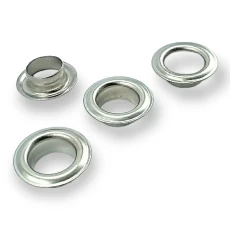
-ERB0024PRKON.png-230x230.webp "Curved Eyelet 23/64")
.jpg-230x230.webp "No. 2 Special Coated Curved Eyelet Sheet 4.5 mm 0,19")