
.jpg-40x40.webp "Magnetic Snaps Buttons")

.jpg-40x40.webp "Prong Snap Fasteners for Baby Clothes")


.jpg-40x40.webp "Curved Snaps Buttons")


.jpg-40x40.webp "Snap Fasteners Half Dome type")
-no5-k0010%20(3).jpg-40x40.webp "Eyetlets")


-K0014.png-40x40.webp "Steel Eyelets and Iron Metal Grommets")

.jpg-40x40.webp "Flat Brass Eyelets and Grommets")

.jpg-40x40.webp "Aluminum Eyelets and Grommets")


.jpg-40x40.webp "Galvanized Eyelets and Grommets")


.jpg-40x40.webp "Hole Cutter Tools and Punching Dies")

.jpg-40x40.webp "Grommet Punching Dies")


.jpg-40x40.webp "Pearls Types")


.jpg-40x40.webp "Rivets")


.jpg-40x40.webp "Water-Repellent Jacket Zippers")


.jpg-40x40.webp "Tires")

.jpg-40x40.webp "Round Braided Elastic Cord")


.png-40x40.webp "Enameled Buttons")


.jpg-40x40.webp "Carabiner Clips, Snap Hooks and Bag Hooks")


-PhotoRoom.png-40x40.webp "Spring Rings, Key Rings and Snap Clamps")


.png-40x40.webp "Hook and Eye Closures Sew-On")


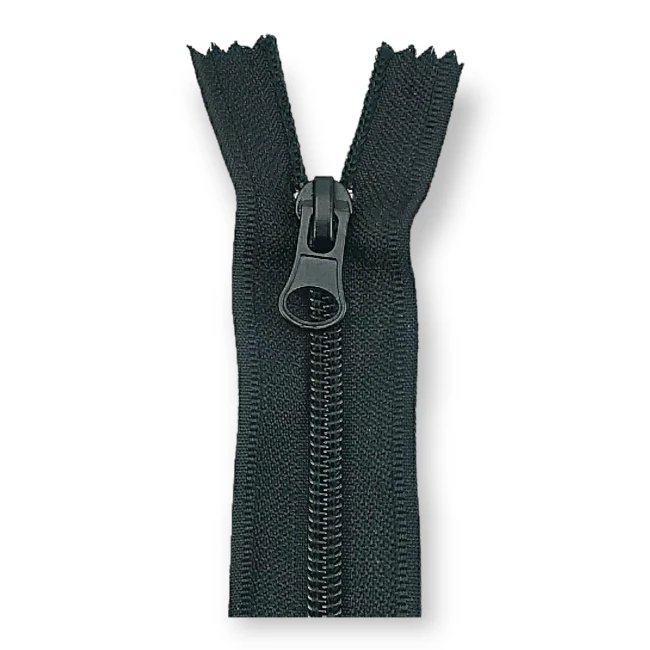
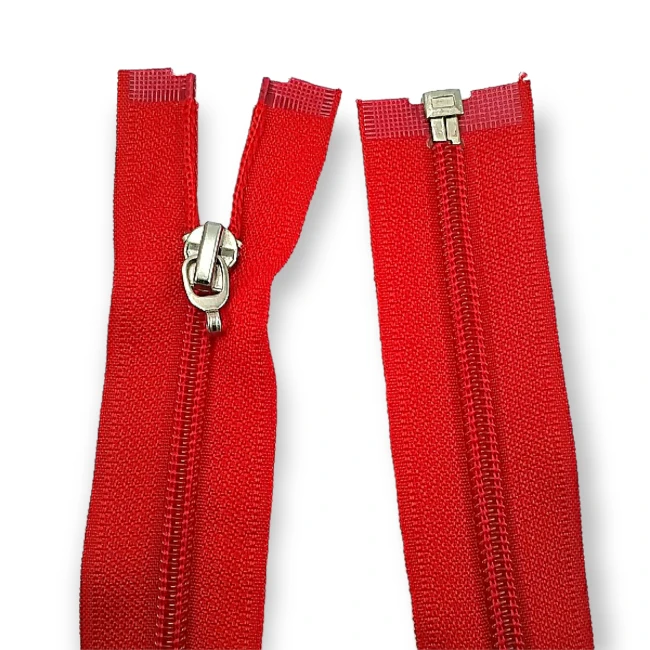
Durable Nylon Coil Zippers for Jackets and Coats
Durable PP Material for Reliable Performance
.png-230x230.webp "Wallet Zipper Nylon 12 cm / 4.72 in N3 for Pockets, Pouches and Organizers Closed End ENC0012T5")
Wallet Zipper Nylon 12 cm / 4.72 in N3 for Mini Pockets, Pouches and Organizers Closed EndWallet zipper, nylon 12 cm / 4.72 in N3 is a compact closed end zipper designed for wallets, coin purses, mini pockets, pouches, organizers, pencil cases, makeup bags and small textile accessories. Nylon re..
19.40₺
Ex Tax:17.64₺.png-230x230.webp "Wallet Zipper Nylon 15 cm / 5.91 in N3 for Pockets, Pouches and Organizers Closed End ENC0015T5")
Wallet Zipper Nylon 15 cm / 5.91 in N3 for Mini Pockets, Pouches and Organizers Closed EndWallet zipper, nylon 15 cm / 5.91 in N3 is a compact closed end zipper designed for wallets, coin purses, mini pockets, pouches, organizers, pencil cases, makeup bags and small textile accessories. Nylon re..
19.40₺
Ex Tax:17.64₺
90 cm #5 35,44" nylon coat zipper, separate - open-ended zippers are ideal for use on jackets. #5 zipper name is Nylon coil jacket zipper or spiral jacket zipper abroad. Dormitory #5 nylon coil one-way zipper, open-ended - separate zippers are ideal for use on jackets. It has a tooth size of 5 (5 mm..
19.74₺
Ex Tax:17.94₺
60 cm #5 23,62" metallic teeth colored nylon jacket zipper, separate - open ended zippers are ideal for use on jackets, coats and functional zippers in different sectors. Type 10 zipper is called Nylon coil jacket zipper or spiral metallic teeth jacket zipper abroad. Internationally, #5 nylon is cal..
19.87₺
Ex Tax:18.06₺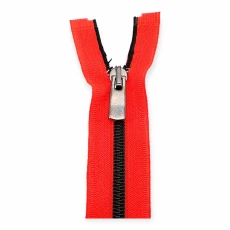
65 cm #5 25,60" metallic teeth colored nylon jacket zipper, separate - open ended zippers are ideal for use on jackets, coats and functional zippers in different sectors. Type 10 zipper is called Nylon coil jacket zipper or spiral metallic teeth jacket zipper abroad. Internationally, #5 nylon is cal..
20.37₺
Ex Tax:18.52₺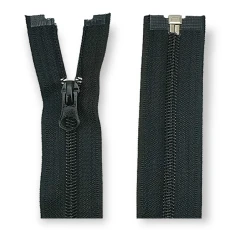
95 cm #5 37,40" nylon coat zipper, separate - open-ended zippers are ideal for use on jackets. #5 zipper name is Nylon coil jacket zipper or spiral jacket zipper abroad. Dormitory #5 nylon coil one-way zipper, open-ended - separate zippers are ideal for use on jackets. It has a tooth size of 5 (5 mm..
20.37₺
Ex Tax:18.52₺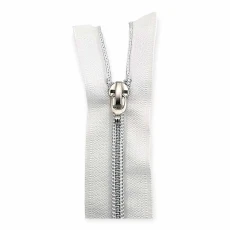
70 cm #5 27,55" metallic teeth colored nylon jacket zipper, separate - open ended zippers are ideal for use on jackets, coats and functional zippers in different sectors. Type 10 zipper is called Nylon coil jacket zipper or spiral metallic teeth jacket zipper abroad. Internationally, #5 nylon is cal..
20.89₺
Ex Tax:18.99₺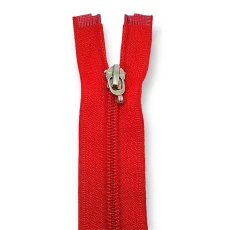
100 cm #5 39,37" nylon coat zipper, separate - open-ended zippers are ideal for use on jackets. #5 zipper name is Nylon coil jacket zipper or spiral jacket zipper abroad. Dormitory #5 nylon coil one-way zipper, open-ended - separate zippers are ideal for use on jackets. It has a tooth size of 5 (5 m..
21.02₺
Ex Tax:19.11₺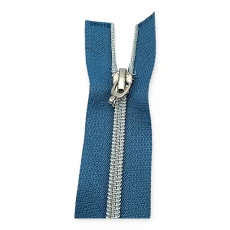
75 cm #5 29,53" metallic teeth colored nylon jacket zipper, separate - open ended zippers are ideal for use on jackets, coats and functional zippers in different sectors. Type 10 zipper is called Nylon coil jacket zipper or spiral metallic teeth jacket zipper abroad. Internationally, #5 nylon is cal..
21.52₺
Ex Tax:19.57₺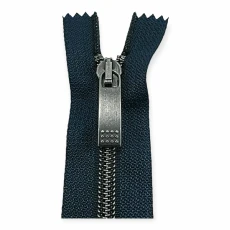
80 cm #5 31,50" metallic teeth colored nylon jacket zipper, separate - open ended zippers are ideal for use on jackets, coats and functional zippers in different sectors. Type 10 zipper is called Nylon coil jacket zipper or spiral metallic teeth jacket zipper abroad. Internationally, #5 nylon is cal..
21.96₺
Ex Tax:19.97₺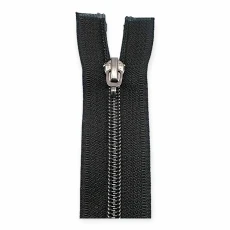
85 cm #5 33,47" metallic teeth colored nylon jacket zipper, separate - open ended zippers are ideal for use on jackets, coats and functional zippers in different sectors. Type 10 zipper is called Nylon coil jacket zipper or spiral metallic teeth jacket zipper abroad. Internationally, #5 nylon is cal..
22.54₺
Ex Tax:20.49₺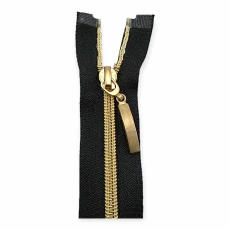
90 cm #5 35,44" metallic teeth colored nylon jacket zipper, separate - open ended zippers are ideal for use on jackets, coats and functional zippers in different sectors. Type 10 zipper is called Nylon coil jacket zipper or spiral metallic teeth jacket zipper abroad. Internationally, #5 nylon is cal..
23.05₺
Ex Tax:20.96₺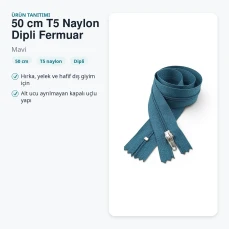
Where Is a 50 cm / 19.69 in Blue Closed-End Zipper Used?A 50 cm / 19.69 in Type 5 (#3) nylon closed-end zipper is used for cardigans, vests, fleece garments, sweatshirts, light outerwear, sports tops, pockets, side openings and fixed-bottom textile closures.This zipper is different from a fu..
23.43₺
Ex Tax:21.30₺.png-230x230.webp "50 cm / 19.69 in (#3) Nylon Closed-End Zipper for Cardigans, Vests and Outerwear, Brown ZPS0050T5K")
What Is a 50 cm / 19.69 in Type 5 (#3) Nylon Closed-End Zipper Used For?A 50 cm / 19.69 in Type 5 (#3) nylon closed-end zipper is used for cardigans, vests, sweatshirts, fleece garments, light outerwear, textile accessories, pockets and fixed-bottom openings.The optical white color creates a..
23.43₺
Ex Tax:21.30₺.png-230x230.webp "50 cm / 19.69 in (#3) Nylon Closed-End Zipper for Cardigans, Vests and Outerwear, Optical White ZPS0050T5W")
Where Is a 50 cm / 19.69 in Closed-End Zipper Used?A 50 cm / 19.69 in Type 5 (#3) nylon closed-end zipper is used for cardigans, vests, fleece garments, sweatshirts, light outerwear, sports tops, pockets, side openings and fixed-bottom textile closures.This zipper is different from a fully s..
23.43₺
Ex Tax:21.30₺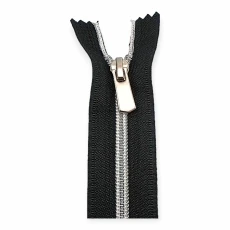
95 cm #5 37,40" metallic teeth colored nylon jacket zipper, separate - open ended zippers are ideal for use on jackets, coats and functional zippers in different sectors. Type 10 zipper is called Nylon coil jacket zipper or spiral metallic teeth jacket zipper abroad. Internationally, #5 nylon is cal..
23.68₺
Ex Tax:21.53₺