
.jpg-40x40.webp "Magnetic Snaps Buttons")

.jpg-40x40.webp "Prong Snap Fasteners for Baby Clothes")


.jpg-40x40.webp "Curved Snaps Buttons")


.jpg-40x40.webp "Snap Fasteners Half Dome type")
-no5-k0010%20(3).jpg-40x40.webp "Eyetlets")


-K0014.png-40x40.webp "Steel Eyelets and Iron Metal Grommets")

.jpg-40x40.webp "Flat Brass Eyelets and Grommets")

.jpg-40x40.webp "Aluminum Eyelets and Grommets")


.jpg-40x40.webp "Galvanized Eyelets and Grommets")


.jpg-40x40.webp "Hole Cutter Tools and Punching Dies")

.jpg-40x40.webp "Grommet Punching Dies")


.jpg-40x40.webp "Pearls Types")


.jpg-40x40.webp "Rivets")


.jpg-40x40.webp "Water-Repellent Jacket Zippers")


.jpg-40x40.webp "Tires")

.jpg-40x40.webp "Round Braided Elastic Cord")


.png-40x40.webp "Enameled Buttons")


.jpg-40x40.webp "Carabiner Clips, Snap Hooks and Bag Hooks")


-PhotoRoom.png-40x40.webp "Spring Rings, Key Rings and Snap Clamps")


.png-40x40.webp "Hook and Eye Closures Sew-On")


Sizes, Styles and Pack Options
Choose the Tack and Setting Die
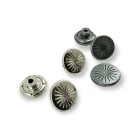
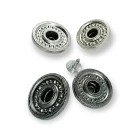
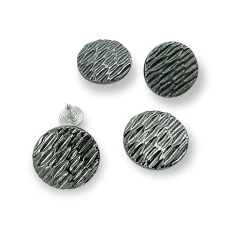
Dimensions: Diameter: 19 mm (30 L) Button height is 10 mmColor Options: In addition to the varieties offered in the options, the color requested by the customer can be coated in special orders.
For enameled buttons, enamel color can be made according to the customer's fabric color or panton..
0.38 USD
Ex Tax:0.35 USD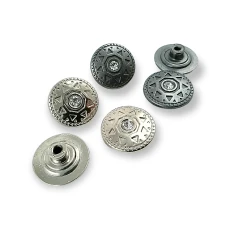
23 mm / 36L Sun Design Rhinestone Zinc Alloy Jeans Button23 mm / 36L Sun Design Rhinestone Zinc Alloy Jeans Button E 333 is a zinc alloy jeans button designed for visible closures and trim details on denim garments. Its 23 mm / 0.91 in (36L) diameter and sun design rhinestone face design suit je..
0.46 USD
Ex Tax:0.42 USD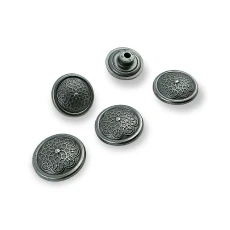
Dimensions : Diameter: 20 mm ( 32 L) Button height is 11 mmColor Options: In addition to the varieties offered in the options, the color requested by the customer can be coated in special orders.
For enameled buttons, enamel color can be made according to the customer's fabric co..
0.48 USD
Ex Tax:0.43 USD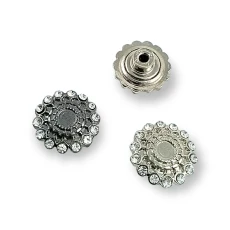
Dimensions : Diameter: 20 mm ( 32 lengths) Button height is 11 mmColor Options: In addition to the varieties offered in the options, the color requested by the customer can be coated in special orders.
For enameled buttons, enamel color can be made according to the customer's fab..
0.69 USD
Ex Tax:0.63 USD.jpeg-230x230.webp "14 mm / 0.55 in Stainless Steel Jeans Button 22L, 200 Pieces/Pack ERK0140PPK")
On sale
14 mm / 0.55 in stainless steel denim tack buttons are compact metal closures for garments that need a reliable waistband or front-fastening detail. They are suitable for jeans, denim skirts, shorts, overalls, jean jackets, canvas garments, workwear, and selected clothing repair applications.The..
5.69 USD 10.08 USD
Ex Tax:5.18 USD.jpeg-230x230.webp "17 mm / 0.67 in Stainless Steel Jeans Button 27L, 200 Pieces/Pack ERK0170PPK")
On sale
17 mm / 0.67 in stainless steel jeans buttons are designed for garments where the front fastening needs to feel secure, visible, and consistent with a denim or workwear aesthetic. They are suitable for jeans, denim skirts, jean jackets, overalls, shorts, canvas pants, utility garments, and selected ..
6.49 USD 13.08 USD
Ex Tax:5.90 USD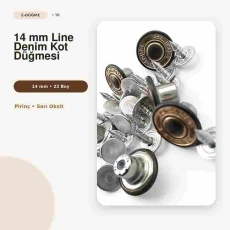
On sale
A Compact 14 mm Jeans Button for Denim ProductionThis 14 mm / 0.55 in, 22L Line Denim button is intended for garment makers, repair workshops and sample rooms that need a smaller visible jeans button than common 17 mm styles.The upper body is brass with a yellow oxide finish. The lower suppo..
6.71 USD 9.13 USD
Ex Tax:6.10 USD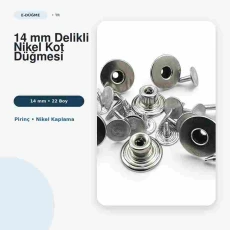
On sale
A Compact Perforated Button for Denim GarmentsThis 14 mm / approximately 0.55 in, 22L perforated jeans button is a press-set brass garment component with a nickel-plated finish and fixed-cup lower construction.Its compact diameter can be used on jeans, denim jackets, skirts, shorts, waistcoa..
6.71 USD 9.13 USD
Ex Tax:6.10 USD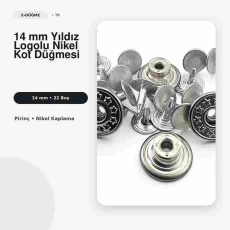
On sale
Star Logo Button for Jeans and Denim ClothingThis 14 mm / 0.551 in, 22 L jeans button combines a compact size with a star logo and nickel-colored metal appearance. Its brass upper body makes it suitable for adding a traditional jeans-button look to denim garments.The discounted pack contains..
6.71 USD 9.13 USD
Ex Tax:6.10 USD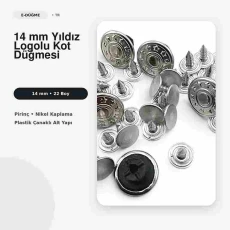
On sale
Star Logo Jeans Button with Plastic CupThis 14 mm / 0.551 in, 22 L jeans button combines a compact size, star logo, brass upper body, nickel-colored appearance and plastic cup construction.The pack contains 75 buttons and can be considered for jeans repairs, samples, small collections and wo..
6.71 USD 9.13 USD
Ex Tax:6.10 USD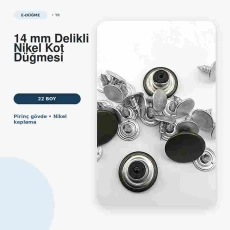
On sale
Pierced Nickel Denim ButtonDesigned for jeans and denim garments, this fastening button combines a 14 mm / 0.551 in visible face diameter with a 22 L textile size. Its brass construction and nickel finish provide a silver-coloured metal appearance.The button has a pierced design and fixed so..
6.71 USD 9.13 USD
Ex Tax:6.10 USD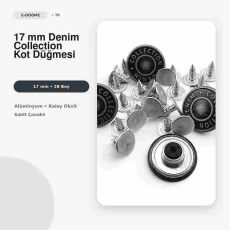
On sale
A Denim Collection Button for Jeans and WorkwearThis press-set jeans button combines a Denim Collection face design with a 17 mm / 0.669 in diameter and 28 L measurement. It is intended for visible closures on jeans, denim skirts, jackets, shorts, waistcoats, overalls and selected heavyweight te..
6.93 USD 9.35 USD
Ex Tax:6.30 USD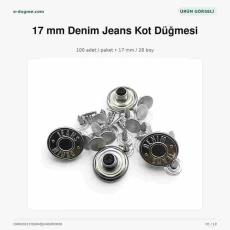
On sale
Where Is a 17 mm / 0.67 in Denim Jeans Logo Button Used?A 17 mm / 0.67 in Denim Jeans logo button is used on jeans trousers, denim jackets, denim vests, jean skirts, bags and textile accessories.The brass material, plastic back structure and Denim Jeans top appearance make it useful as both ..
6.93 USD 9.35 USD
Ex Tax:6.30 USD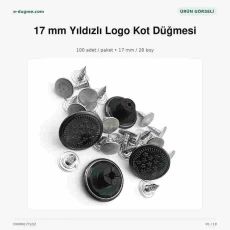
On sale
Where Is a 17 mm / 0.67 in Star Logo Jeans Button Used?A 17 mm / 0.67 in star logo jeans button is used on jeans trousers, denim jackets, denim vests, jean skirts, bags and textile accessories.The brass material, plastic back structure and logo-style top appearance make it useful as both a c..
6.93 USD 9.35 USD
Ex Tax:6.30 USD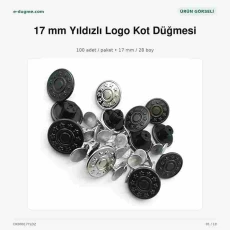
On sale
Where Is a 17 mm / 0.67 in Star Logo Jeans Button Used?A 17 mm / 0.67 in star logo jeans button is used on jeans trousers, denim jackets, denim vests, jean skirts, bags and textile accessories.The brass material, plastic back structure and logo-style top appearance make it useful as both a c..
6.93 USD 9.35 USD
Ex Tax:6.30 USD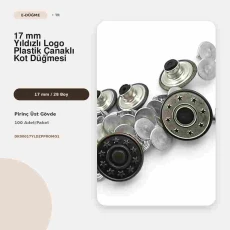
On sale
Where Is a 17 mm / 0.67 in Star Logo Jeans Button Used?A 17 mm / 0.67 in star logo jeans button is used on jeans trousers, denim jackets, denim vests, jean skirts, bags and textile accessories.The brass material, plastic back structure and logo-style top appearance make it useful as both a c..
6.93 USD 9.35 USD
Ex Tax:6.30 USD