Fabric Covered Buttons
Fabric covered buttons are one of the most effective ways to create a refined, coordinated, and design-led finish in apparel and textile products. Instead of standing apart from the garment, these buttons visually blend into the fabric story of the product, making them a preferred choice for fashion brands, boutique manufacturers, bridal ateliers, childrenswear producers, interior textile makers, and creative design studios.
Standard buttons may offer function, but they do not always deliver visual harmony. A button can be technically suitable while still feeling disconnected from the garment. Fabric covered buttons solve this problem by allowing the button surface to be wrapped in the same fabric or a carefully selected complementary textile. The result is cleaner styling, a more premium finish, and a stronger sense of intentional design.
Why Choose Fabric Covered Buttons?
The main advantage of fabric covered buttons is visual continuity. They help garments and textile products look more integrated because the button becomes part of the design language rather than a separate trim. This makes them particularly valuable in product categories where elegance, softness, and tailored detailing matter.
Another major benefit is flexibility. Fabric covered buttons can be used with satin, cotton, linen, velvet, jacquard, textured materials, collection fabrics, or decorative specialty textiles. This flexibility gives designers and manufacturers more freedom to create unique products while maintaining a clean and polished final appearance.
Common Applications
In fashion, fabric covered buttons are widely used on dresses, blouses, skirts, jackets, waistcoats, and coordinated sets. They work well as front closures, cuff details, neckline buttons, or decorative accents. In women’s fashion especially, they are often chosen when the goal is a softer and more sophisticated look than standard plastic or metal buttons can provide.
In bridalwear and occasionwear, fabric covered buttons are a timeless solution. Satin-covered, organza-covered, tulle-supported, or collection-fabric-covered styles are commonly used on gown backs, sleeve ends, collars, and decorative button rows. In these categories, the button is not only practical; it also contributes to the handcrafted and luxurious character of the garment.
In babywear and childrenswear, fabric covered buttons help create a more delicate and friendly visual effect. They are especially suitable for boutique garments, ceremonial outfits, baby dresses, children’s waistcoats, and special occasion clothing where softer detailing is preferred over harder-looking trims.
Beyond apparel, fabric covered buttons are also highly useful in decorative textiles and interiors. Cushions, upholstered headboards, benches, poufs, and textile décor items often use covered buttons to preserve material consistency and to create a more finished, custom-made appearance. When the button is covered in the same upholstery fabric, the result feels balanced and professionally styled.
They are also popular in handmade products and craft-based production. Hair accessories, brooches, invitation embellishments, bag details, fabric art, hobby sewing projects, and boutique gift items can all benefit from the elegant and customizable nature of fabric covered buttons.
What Should Be Considered Before Choosing?
Choosing the right fabric covered button starts with understanding where and how it will be used. A lightweight blouse and a structured jacket do not require the same button size or fabric behavior. The correct diameter should be selected according to garment scale, visibility, fabric thickness, and whether the button will be primarily decorative or frequently used for closure.
Fabric selection also plays a major role. Thin fabrics tend to reveal the shape of the button more clearly, while heavier fabrics create a fuller look. Patterned materials require extra attention because motif scale and placement can affect the final visual result. For this reason, successful selection depends on both aesthetic preference and application logic.
Durability should also be considered, especially in production environments. If the button will be actively used, application quality and consistency become more important. For decorative use, visual finish may take priority, but wholesale buyers and manufacturers will still need uniform quality, surface consistency, and repeat-order reliability.
Advantages for Brands and Manufacturers
Fabric covered buttons are especially valuable for brands that want to improve perceived product quality. A garment finished with matching covered buttons looks more deliberate, more premium, and more collection-driven. This is a strong advantage for boutique brands, limited collections, made-to-order production, and premium apparel positioning.
For wholesale buyers and manufacturers, the category offers additional value through consistency, design alignment, and product differentiation. For smaller makers and retail buyers, fabric covered buttons provide an easy way to create a more elevated result even in low-volume projects.
Fabric covered buttons may be small components, but they have a major impact on the final appearance of a product. When selected in the right size, the right material, and the right context, they can transform a simple design into a more elegant, more cohesive, and more memorable finished piece. From fashion and bridalwear to decorative textiles and craft applications, they remain one of the most versatile button solutions for design-focused production.
If you want your products to feel more integrated, more refined, and more brand-conscious, fabric covered buttons are a strong category to consider.
A Small Detail with a Major Impact
Fabric covered buttons may be small components, but they can dramatically influence how finished, elegant, and premium a product looks. When used with the right size, the right fabric, and the right application logic, they can transform an ordinary garment or textile item into something more refined and more memorable. Whether used in fashion, home textiles, bridalwear, childrenswear, or creative handmade work, they combine function and aesthetics in a highly versatile way.
If you are not simply looking for a button, but for a detail that strengthens design integrity, supports brand image, and helps the final product feel more intentional, fabric covered buttons are a safe and effective choice. With the right selection, they can add real visual value to your collection, your production process, and your customer experience.
Frequently Asked Questions About Fabric Covered Buttons
What are fabric covered buttons?
Fabric covered buttons are buttons made by covering a firm button base with fabric. When wrapped in the same fabric as the garment or in a matching textile, they create a more coordinated, elegant, and custom-looking finish.
Where are fabric covered buttons used?
Fabric covered buttons are commonly used on dresses, blouses, jackets, waistcoats, bridalwear, eveningwear, childrenswear, decorative cushions, upholstered items, hair accessories, and many craft projects. They can be both decorative and functional.
Why choose fabric covered buttons?
The main reason is visual harmony. Fabric covered buttons blend beautifully with the garment or textile product, offering a more refined, integrated, and premium look than many standard button styles.
Can any fabric be used to cover buttons?
Many fabrics can be used, but the final result depends on thickness, stretch, texture, and pattern. Satin, linen, cotton, velvet, and printed fabrics each create a different effect. Choosing the right fabric for the intended use is important.
Are fabric covered buttons decorative or functional?
They can be both. Some are used mainly for decorative detailing, while others are suitable for regular fastening and closure. The right choice depends on the product type, button size, and frequency of use.
What should I consider when choosing fabric covered buttons?
You should consider button size, garment type, fabric thickness, desired visual effect, and whether the button will be decorative or functional. Smaller buttons can look delicate, while larger buttons create a stronger visual statement.
Are fabric covered buttons suitable for wholesale orders?
Yes, fabric covered buttons are suitable for both boutique-scale production and high-volume manufacturing. They are especially useful for brands and collections that need a coordinated and more design-focused finish.
Can fabric covered buttons be used in home textiles?
Yes, they are often used in decorative cushions, poufs, headboards, upholstered furniture details, and other home textile applications. When covered in the same upholstery fabric, they create a more professional and unified appearance.

.jpg-40x40.webp)

.jpg-40x40.webp)


.jpg-40x40.webp)
.jpg-40x40.webp)


-no5-k0010%20(3).jpg-40x40.webp)


-K0014.png-40x40.webp)


.jpg-40x40.webp)


.jpg-40x40.webp)
.jpg-40x40.webp)


.jpg-40x40.webp)
.jpg-40x40.webp)


.jpg-40x40.webp)


.jpg-40x40.webp)


.jpg-40x40.webp)

.jpg-40x40.webp)


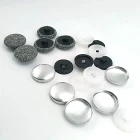
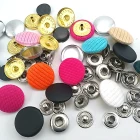
.jpeg-230x230.webp "22 L - 14 mm Fabric Cover Button with Sew-Through Shank, 250 Pcs/Pack – KAP0022")
.jpeg-230x230.webp "15 mm Fabric Cover Button with Sew-Through Shank 24 L 250 Pcs/Pack – KAP0024")
.jpeg-230x230.webp "26 L - 16 mm Fabric Cover Button with Sew-Through Shank, 250 Pcs/Pack – KAP0026")
.jpeg-230x230.webp "28 L - 17 mm Fabric Cover Button with Sew-Through Shank, 250 Pcs/Pack – KAP0028")
.jpeg-230x230.webp "20 L - 12.5 mm Fabric Cover Button with Sew-Through Shank, 500 Pcs/Pack – KAP0020")
.jpeg-230x230.webp "24 L - 15 mm Fabric Cover Snap Button, 100 Pcs/Pack – KAP0024CT")
.jpeg-230x230.webp "28 L - 17 mm Fabric Cover Snap Button, 100 Pcs/Pack – KAP0028CT")